Anchor Stippling Stitch Review
First Impressions of the Design
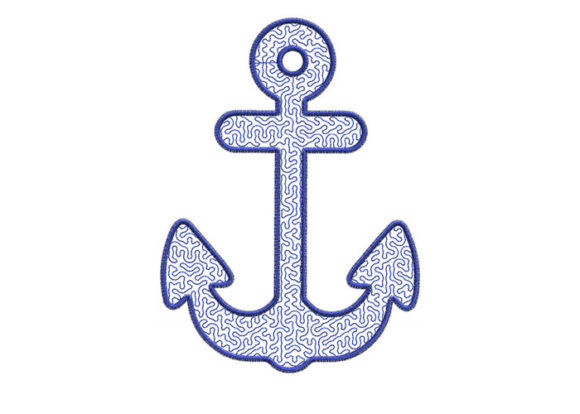
The Anchor Stippling Stitch immediately catches the eye with its clean, rhythmic pattern. It feels like a breath of fresh air—simple yet sophisticated. The design has a casual, beachy vibe that fits perfectly with summer themes and outdoor lifestyles. Its layout is balanced, with a subtle texture that adds visual interest without overwhelming the fabric.
The detail level is just right for an embroidery project that needs to be both functional and stylish. It doesn’t demand too much attention but still stands out when placed on the right garment or item. This makes it ideal for custom apparel, tote bags, and even baby items where subtlety is key.
Real-World Use Cases
Imagine you’re working on a custom embroidered tote bag for a client who wants something unique but not too flashy. The Anchor Stippling Stitch could be the perfect touch. It would add a nice contrast to a light-colored canvas without being too bold. It also works well as an accent on sweatshirts, especially if the main design is more intricate.
For a small shop product, this design could be used on aprons, pillow covers, or even kitchen towels. It’s versatile enough to fit into a range of handmade products while maintaining a cohesive look. As an Etsy seller, you might consider using it on personalized gifts like baby onesies or holiday decorations.
This design also has potential in commercial embroidery projects. It can be part of a larger collection of beach-themed designs, making it a valuable addition to your digital product library. Whether you're creating printable mockups or selling digital embroidery files, the Anchor Stippling Stitch offers a professional, polished look.
Where to Be Careful
While the Anchor Stippling Stitch is great for many applications, there are some scenarios where it might not perform as well. For instance, if you’re working with small hoop sizes, the design might feel cramped or lose some of its visual impact. You’ll want to make sure the hoop size is large enough to accommodate the full design without cutting off any details.
On textured fabrics or thin, stretchy materials, the stitch density could cause puckering or distortion. It’s important to use the right stabilizer and test the design on scrap fabric before committing to a final project. Dark fabrics may also require careful thread color selection to ensure the design stands out clearly.
If you're planning to use this design on curved surfaces like caps or on items with detailed corners, you might need to adjust the placement or consider alternative stitching techniques. Tiny lettering or dense stitch areas could become muddled, so it's best to keep the design simple and focused.
Impact on Visual Appeal and Product Value
The Anchor Stippling Stitch enhances the visual appeal of any project it’s used on. Its subtle texture adds depth and dimension, making the finished product look more professional. This can increase the perceived value of your handmade items, whether you're selling them at a craft fair or online through an Etsy shop.
Customers often respond positively to designs that feel thoughtfully crafted. The Anchor Stippling Stitch can help build trust in your brand by showing that you pay attention to detail. It also supports brand consistency, especially if you’re using it across multiple products in a cohesive collection.
As a personalized gift, this design can elevate the overall presentation. It’s perfect for adding a special touch to items like baby clothes, holiday gifts, or wedding favors. Its simplicity makes it easy to incorporate into a variety of projects without overshadowing other elements.
Practical Designer Notes
Before using the Anchor Stippling Stitch on a client project, always test it on scrap fabric. This will help you see how the design looks in real life and identify any issues with stitch density or thread color contrast. It’s also a good idea to review the embroidery file formats to make sure they’re compatible with your machine.
When working with different fabric textures, pay close attention to how the design interacts with the material. A lightweight cotton might behave differently than a heavier denim or a stretchy knit. Using the proper stabilizer can make a big difference in the final result.
Check whether the design works well in black and white mockups. This helps you visualize how it will look on various fabric backgrounds. If you’re planning to sell finished items or digital products, confirm the licensing terms to ensure you’re compliant with any restrictions.
Finally, consider how the Anchor Stippling Stitch fits into your overall design strategy. Is it a standalone piece, or does it work best as part of a larger collection? Understanding its strengths and limitations will help you make the most of this embroidery design in your creative projects.